Creating space for wildlife at Albert Village Lake
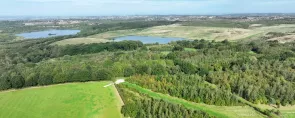
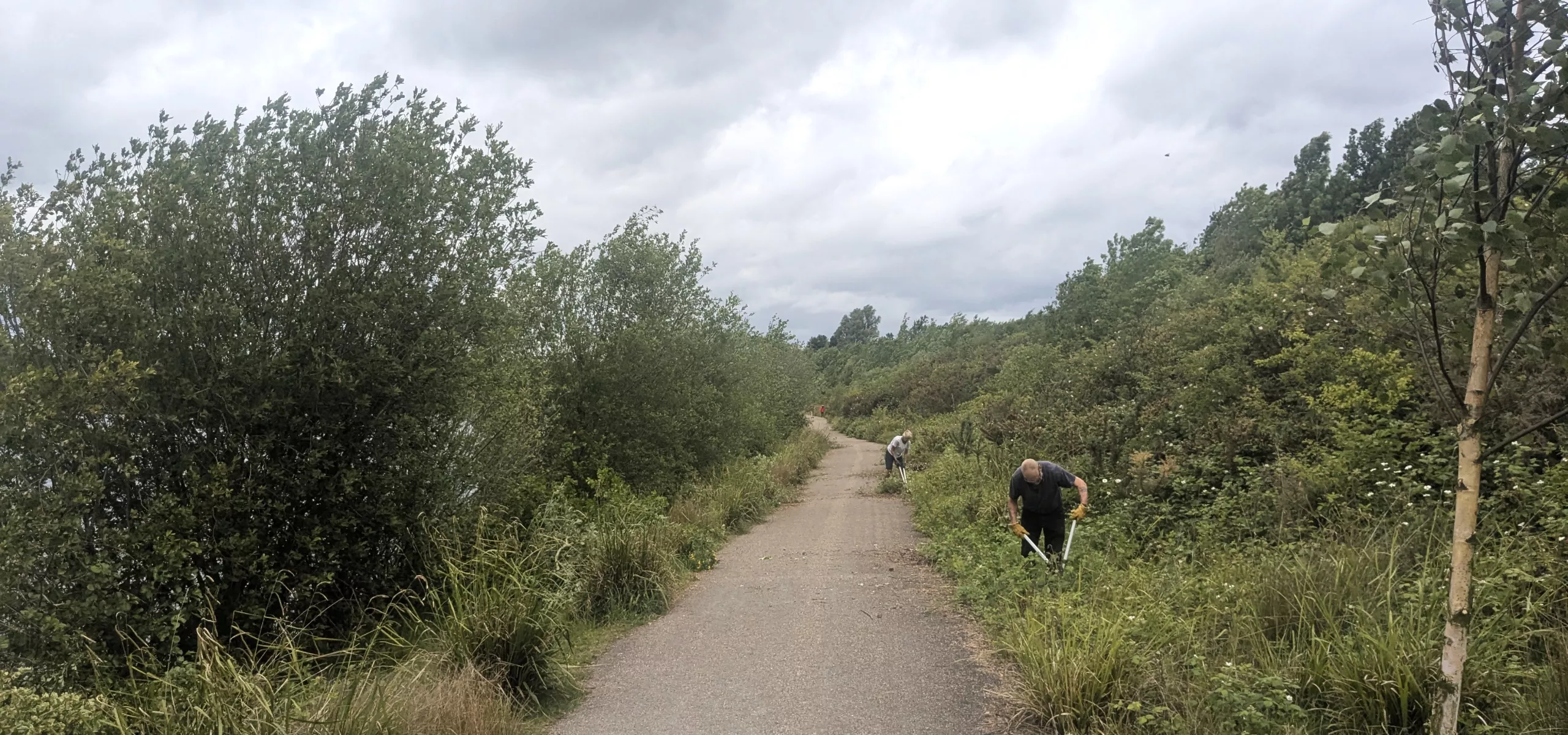
Around the 2km trail that circles Albert Village Lake, volunteers have taken a more hands-on approach to managing encroaching vegetation. In the past, large machinery was used to cut back overgrown willow and scrub, but the group has now opted to do the work by hand.
This slower, more selective method helps retain a varied height of vegetation along the water’s edge, ensuring natural screens remain in place to protect waterfowl. The cuttings are used to create dead hedges, providing vital habitat for insects and other small wildlife. It’s a simple but powerful example of low-impact conservation in action.
Reclaiming hidden paths at Rawdon Wood Fishing Lakes
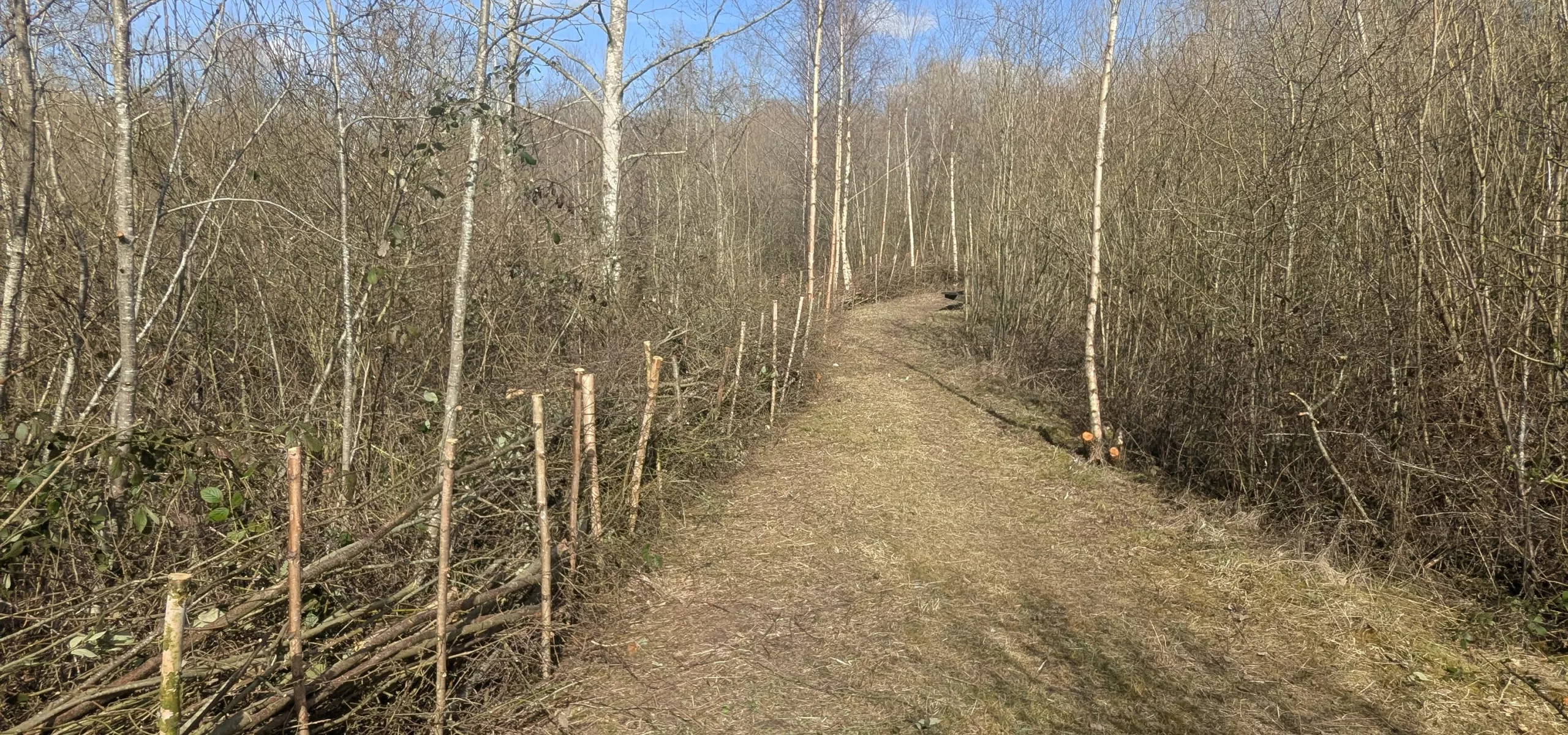
Elsewhere, at Rawdon Wood Fishing Lakes, volunteers have restored a network of paths that had become almost unusable due to encroaching birch woodland. The newly cleared trail not only improves access but also reconnects visitors with a tranquil viewpoint over the lakes.
The team has made sure nothing goes to waste — all the cut birch has been used to build a 50-metre dead hedge along the path edge. This natural barrier supports biodiversity and helps suppress regrowth, giving the restored path a longer life and a wilder, more welcoming edge.
Reviving dry-stone walling at the Outwoods
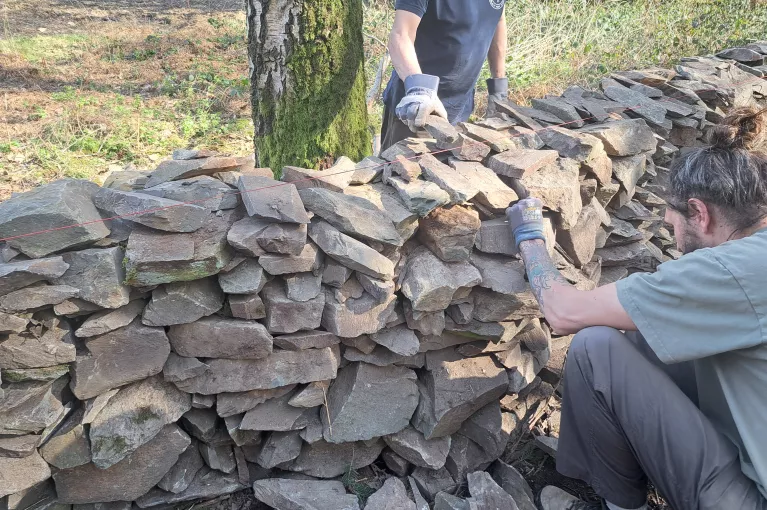
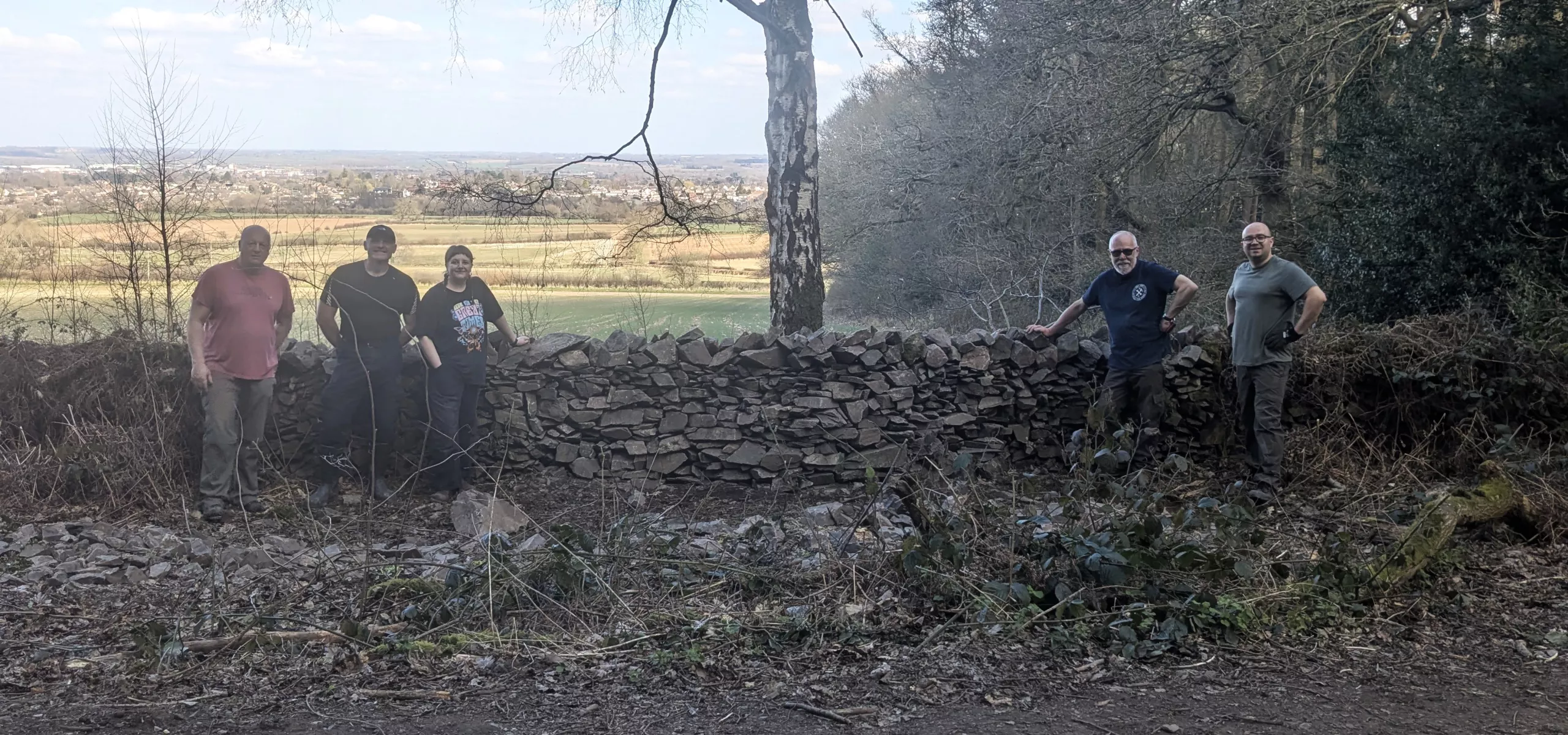
The group has also been learning and applying the ancient skill of dry-stone walling, thanks to monthly beginner sessions run in partnership with Charnwood Forest Geopark volunteers and idverde rangers at the Outwoods.
So far, five collapsed sections of wall have been repaired, with the aim to continue until the full boundary is restored. These traditional stone walls are more than just historic features — they provide excellent shelter for reptiles, small mammals and invertebrates, adding both beauty and biodiversity to the landscape.
Coppicing hazel at Diana Memorial Wood
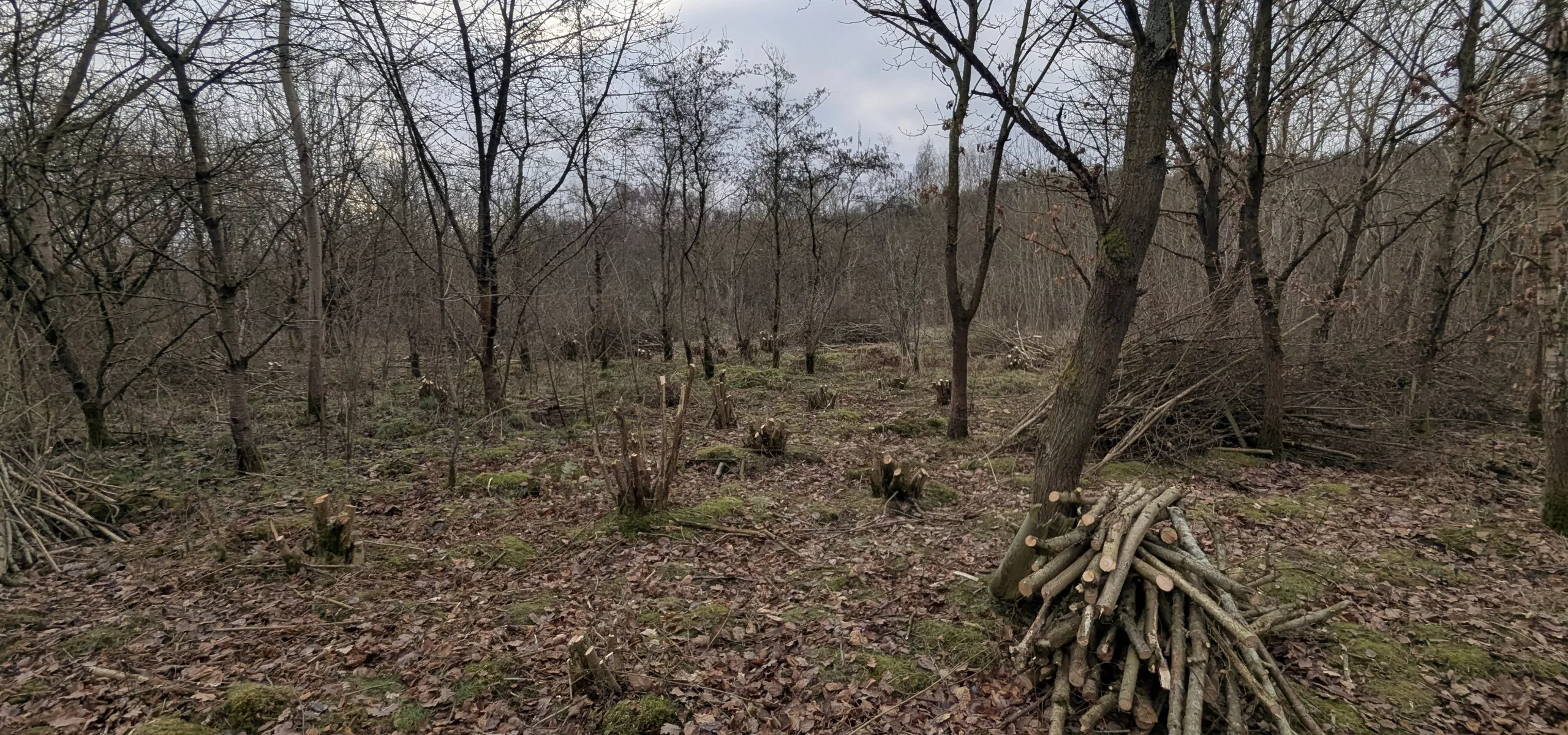
Over the winter, a long-term woodland management project began at the Princess Diana Memorial Wood, with the team coppicing 1.5 hectares of mature hazel as part of a new eight-year rotation plan. This traditional technique improves woodland structure, supports ground flora and nesting birds, and provides useful materials for other volunteer projects.
Already, stakes and binders from this year’s cut have been donated to local hedge laying groups, and surplus wood has gone to Heartwood for making charcoal and biochar — ensuring nothing is wasted, and everything contributes to a healthier, more sustainable forest.
Creating homes for Great Crested Newts at Feanedock
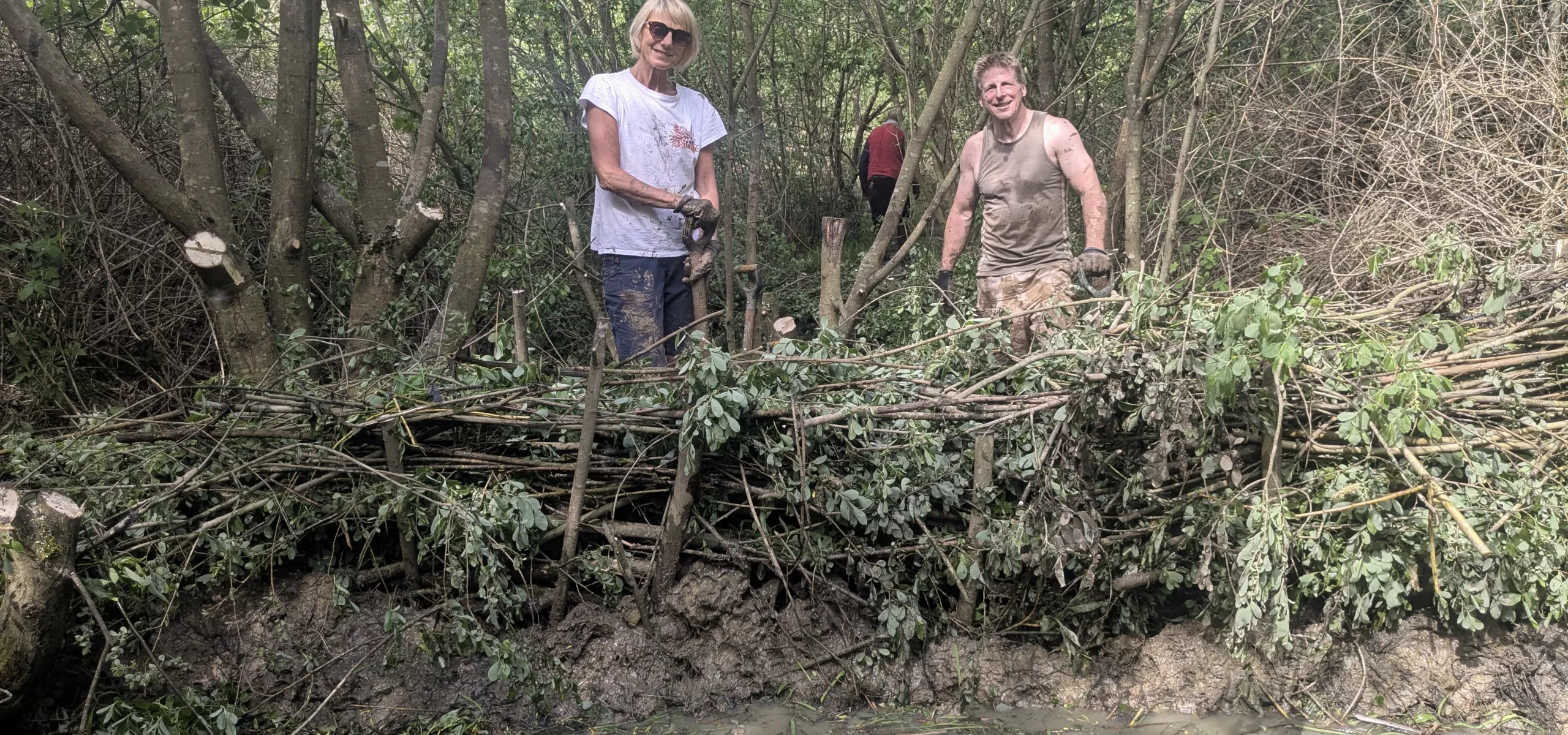
At Feanedock, volunteers have been working with the Derbyshire Amphibian and Reptile Group to improve a pond for great crested newts, a protected species. By building a small dam to raise the water level, they’ve created the conditions needed for breeding — a simple intervention that could make a big difference for local amphibian populations.
These projects show just how much can be achieved with dedication, knowledge, and community spirit. The National Forest Volunteers are not just maintaining landscapes — they’re helping them thrive.
Whether it’s clearing a path, restoring a wall, or supporting wildlife, every task is a step toward a greener, healthier and more sustainable future. Feeling inspired? Find out how you can get involved below.