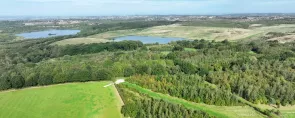
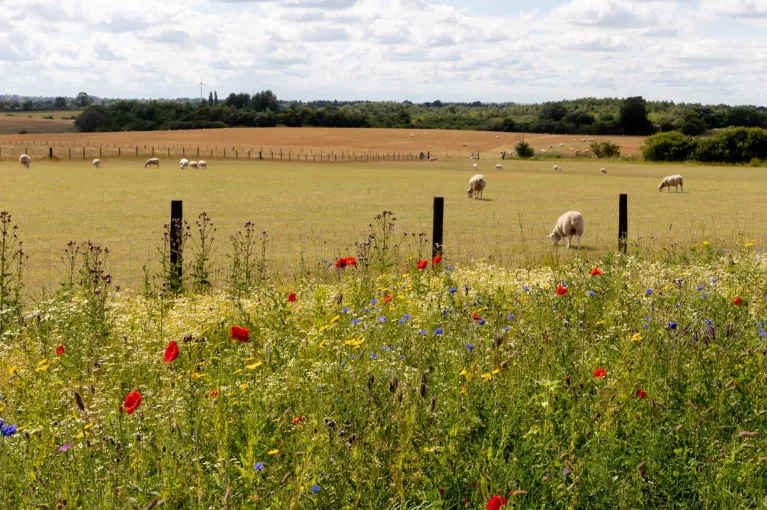
In 2020, the Forest secured funding through Severn Trent’s Great Big Nature Boost, aiming to enhance developing woodland and other vital habitats. Our goal was to improve 760 hectares - but together we went further, enhancing over 870 hectares of woodland, grassland, wetland, and other priority habitats.
This project has not only restored land it has reshaped how we work. By connecting landowners, local authorities, community groups, and organisations, we’ve created a collaborative network for nature recovery. The programme’s success is now influencing conservation strategies across the UK.
From the start, the programme aimed to boost biodiversity at a landscape scale. We widened the scope of our grants to include species-rich grasslands, wetlands, orchards, and more alongside woodland. This inclusive approach allowed us to manage the Forest’s mosaic of habitats more effectively and strategically.
Over five years, £1.28 million was invested:
-
745 hectares improved through private landowner grants
-
117 hectares enhanced on the Forest’s own estates
-
8 hectares supported in schools
That’s roughly 1,100 football pitches of improved habitats. Interventions ranged from pond creation, hedgerow restoration, and orchard planting to reedbed development, woodland thinning, and veteran tree management, helping to boost ecological resilience across the Forest.
Over 100 landowners, local authorities, community groups, and Severn Trent sites joined the programme. Grant uptake doubled, from 25 to over 50 sites a year, and woodland under active management is now over 10% above the national average, with more than 70% of Forest woodland managed compared with the UK average of 57%.
Long-term funding has allowed ambitious planning, supported skilled contractors and woodland advisers, strengthened the local forestry economy, and created green jobs.
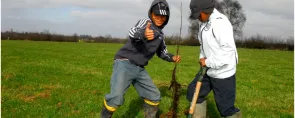
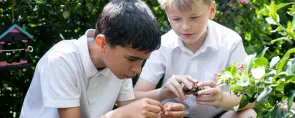
The impact has been felt in schools and communities too. Outdoor learning grants have enriched biodiversity spaces for around 2,800 children across seven schools and a forestry centre, giving young people hands-on connections with nature.
Volunteers have played a key role, particularly at former industrial sites like Albert Village Lake. Through conservation activities, these spaces have been transformed into thriving ecosystems cared for by local people, while volunteers gain valuable skills and a sense of purpose.
Scientific surveys in the Heart of the Forest - a 10-square-mile area of former industrial land - have established a baseline for biodiversity, helping us track the impact of our work and guide future habitat restoration.
Building on this momentum, a new five-year maintenance programme is planned for 2025 - 2030, with nearly £1 million earmarked to improve another 600 hectares of habitats, mostly through private landowner grants.
The programme’s scale and innovation have been recognised nationally. In 2025, it was Highly Commended at the Chartered Institute of Ecology and Environmental Management (CIEEM) Awards in the NGO Impact category.
Beyond the numbers, this programme stands out for its collaborative, flexible, and solution-focused approach. Key lessons - embedding expert staff, securing consistent funding, and building strong relationships will guide the next phase and provide a model for other organisations pursuing landscape-scale partnerships.
This five-year programme has united sectors, communities, and ecosystems into a cohesive model for nature recovery. As we enter the next phase with Severn Trent, it shows how water companies and environmental organisations can work together to create a greener, more resilient future.
The National Forest team, said: “This project has gone well beyond delivering hectares. It has built relationships, sparked innovation, and most importantly, helped bring nature back to the National Forest.”
If this story inspires you, join us in creating a greener future - plant a tree, volunteer, or use our grants to enhance woodland and habitats.